
Bangalore
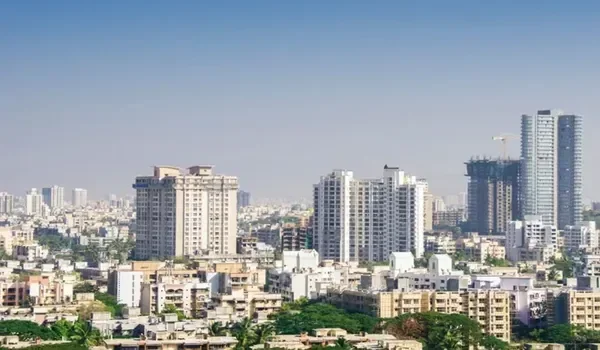
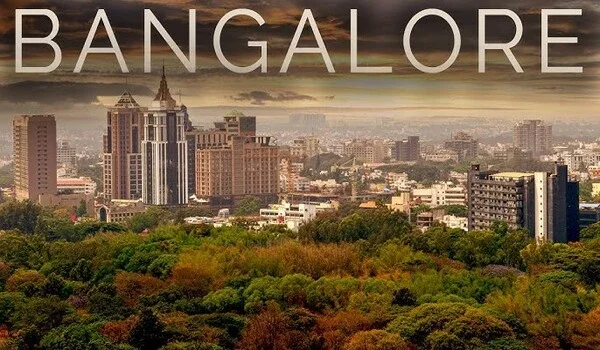
Bangalore is the capital of Karnataka state, and it holds more than 14 million people across 741 square kilometers of land. The city makes over 130 billion dollars each year, and it ships out 40 percent of India’s software goods. It sits on high, flat land about 920 meters up from the sea. Because of this high spot, it stays cool most of the year. People used to call it the Garden City, but now it is India’s top tech hub. Big IT parks in Whitefield, Electronic City, and along the Outer Ring Road bring in workers from everywhere. New metro rail lines and wide ring roads now help the city grow fast toward its outer borders.
The urban layout of Bangalore has changed a lot in recent years. It has moved from small central zones to a wide web of self-run towns. People move here from all over the world to find good tech work and great schools. The state runs major projects to make sure power, clean water, and roads reach every corner. Even as the city grows fast, it keeps its old charm with leafy streets, open parks, and friendly neighborhood markets.
Bangalore Job Hubs: Tech Parks, Global Firms, and R&D Centers
Bangalore has more than 4,500 tech firms, and it holds 35 percent of all top global capability centers in India. Big tech firms take up more than 15 million square feet of fresh office space each year.
- Tech Jobs: About 1.5 million tech staff work in big office parks on the Outer Ring Road and in Electronic City.
- New Tech: Local labs lead the whole country in filing new papers for AI tools, fast microchips, and new medicines.
- Space and Planes: State groups like ISRO, HAL, and BEL build planes, defense gear, and spacecraft right here in town.
- Startups: The city has more than 10,000 active startups that raise billions in venture funds each year.
This strong job market keeps drawing skilled workers from every part of India. As more firms set up their global headquarters here, demand for office space stays at record highs. Engineers, data scientists, and design teams find the best career growth within these modern business parks. This strong economic engine fuels local retail shops, public transit, and residential growth in all four directions.
Bangalore Culture: Public Parks, Street Food, and Rich Arts
Bangalore has more than 1,000 public green parks, led by the 240-acre Lalbagh Garden and the 300-acre Cubbon Park. Life here brings old Kannada roots side by side with fresh, fun town ways.
- Local Food: Old food joints in Malleshwaram and Basavanagudi sell hot filter coffee and crisp dosas for low prices.
- Cool Cafes: Fun cafes and fresh craft beer pubs line the leafy streets of Indiranagar and Koramangala.
- Top Schools: Big schools like the Indian Institute of Science and IIM Bangalore train top minds every single year.
- Stage Plays: Halls like Ranga Shankara host live plays, art shows, and music gigs all year round.
The social life in Bangalore is open, warm, and very active. Morning walkers fill Cubbon Park by sunrise, while book clubs and music bands meet up in sunny weekend cafes. You can find historic stone temples built centuries ago just a short walk from modern art spaces. The city also hosts big flower shows, book fairs, and tech conferences all through the calendar year.
Bangalore Transit: Metro Trains, Ring Roads, and Fast Travel
Bangalore runs a fast train network with 175 kilometers of Namma Metro lines and big ring roads. The Green and Purple lines carry over 750,000 riders every day, and a new Blue Line heads straight to the airport.
Big open roads help folks drive fast across town and to nearby towns:
- National Highway 44 (NH-44): A tall, wide road that links the center of town right to the airport in the north.
- Outer Ring Road (ORR): A busy loop road that moves daily car traffic between east tech hubs and south home zones.
- Satellite Ring Road (STRR): A big bypass road that keeps giant cargo trucks out of small city streets.
- City Buses: The BMTC runs thousands of clean electric buses that connect local neighborhoods to major train hubs.
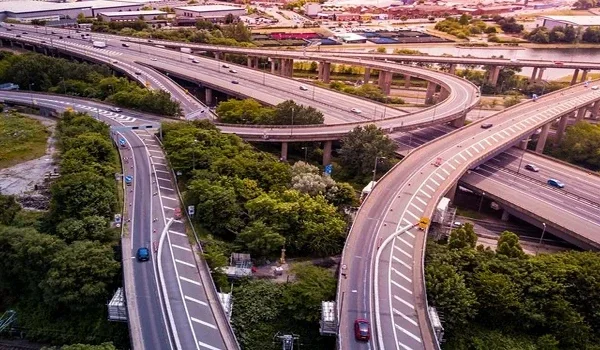
Good transit keeps the busy city moving each day. The expanding metro trains let daily workers skip street traffic and save hours of commute time. Key flyovers, underpasses, and ring roads give direct paths for trucks and long-distance buses. As work finishes on outer rail spurs, getting across the wider metropolitan region gets easier for everyone.
Bangalore Real Estate: Suburban Growth and Housing Demand
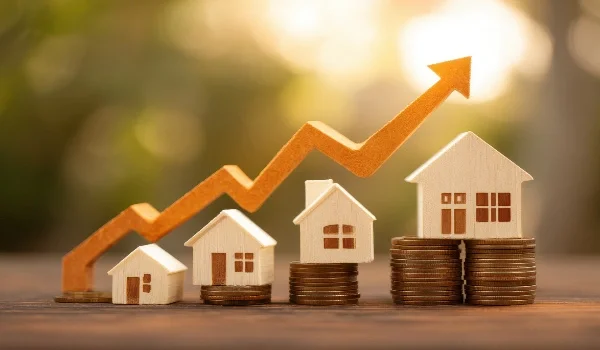
Bangalore homes see steady price gains of 9 to 14 percent each year across its main outer growth zones. Average home prices in top suburbs range between 8,500 and 14,000 rupees per square foot.
- High Rent Returns: Homes in good communities earn 3.8 to 4.6 percent in rent each year, beating most other big Indian cities.
- Shift to Suburbs: Many home buyers now look toward outer areas that offer clean air, big open parks, and less traffic noise.
- Gated Townships: Families prefer large societies that have schools, stores, gyms, and sports fields inside the main gates.
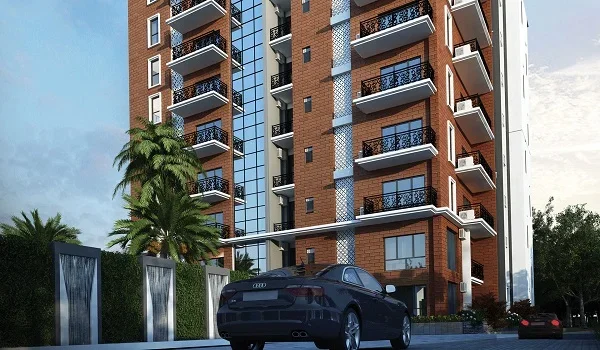
- Smart Homes: Builders now add energy-saving power systems, fast fiber cables, and smart meters to new apartment blocks.
The housing market in Bangalore stays very stable because real buyers drive the demand. Tech staff and corporate leaders look for homes close to work, top hospitals, and good schools. As road networks expand into newer districts, quiet green zones turn into planned neighborhoods. This growth creates great long-term value for both end-use buyers and property investors.
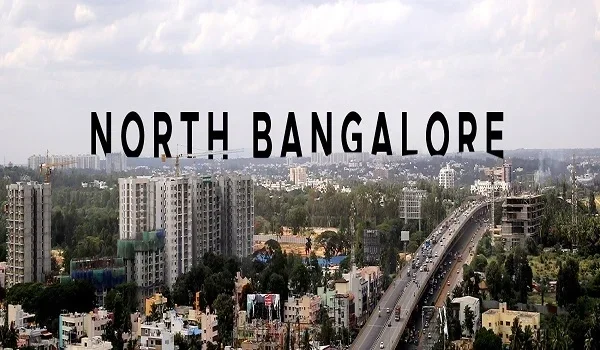
Bangalore North Growth: Brigade Innovation Gardens in Devanahalli
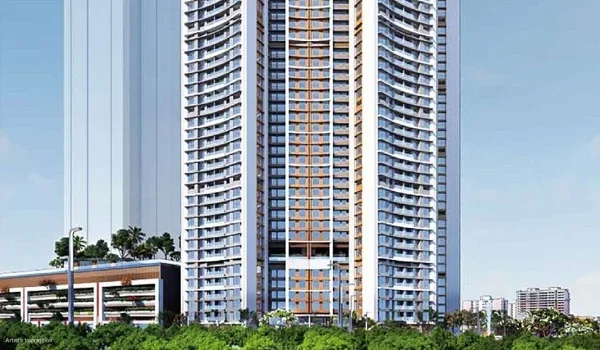
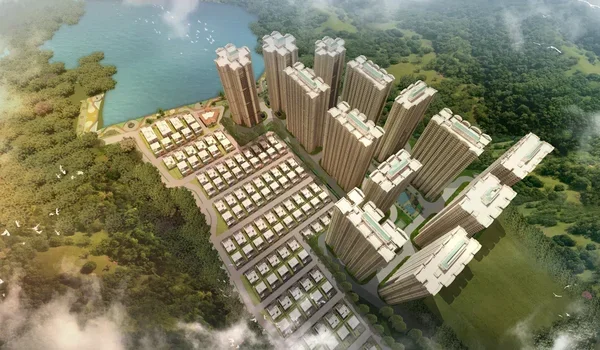
Brigade Innovation Gardens is a 75.04-acre integrated mixed-use township built by the Brigade Group in Haraluru and Muddenahalli in Devanahalli, North Bangalore. The project sits directly inside the 2nd Phase of the KIADB Aerospace and Defence Park, with high-rise residential towers rising to 35 floors to house 7,195 families.
Buyers can choose from Studio, 1 BHK, 2 BHK, 3 BHK, and 4 BHK luxury apartments, with unit sizes spanning from 610 to 2,550 square feet. Base prices start around 62 Lakh rupees for compact layouts, scaling upward for large multi-bedroom residences.
- Township Amenities: The master layout includes a grand clubhouse, swimming pools, tennis and basketball courts, landscaped parks, and retail convenience stores.
- Eco-Friendly Systems: The project uses deep rainwater harvesting tanks, solar-powered path lights, and an on-site plant that treats and reuses 7,776 KLD of wastewater.
- Prime Travel Links: The site sits just 15 minutes from Kempegowda International Airport and 2 kilometers from the main KIADB industrial belt, giving workers an easy daily drive.
This large development matches the city’s vision of self-contained suburban living. Residents can work, shop, play, and rest all within a single gated address. The community gives aerospace and IT workers a quiet home base away from central city jams, while keeping them directly connected to the airport and NH-44.
FAQs
Bangalore has top tech jobs, great schools, mild weather, and strong plane labs that draw staff from all over the world.
You can walk the paths of Cubbon Park and Lalbagh, visit the old Bangalore Palace, or try hot snacks in old Basavanagudi.
It is in Haraluru and Muddenahalli in Devanahalli in North Bangalore, right inside KIADB Aerospace Park Phase 2 near the NH-44 road.
You can buy studio, 1 BHK, 2 BHK, 3 BHK, and 4 BHK flats ranging from 610 to 2,550 square feet in area.
The Namma Metro lets people ride past road jams, while big bypass roads keep giant trucks off city streets.