Home loan eligibility & process for pre-launch apartments
Home loan eligibility & process for pre-launch apartments requires a credit score of 750 or higher and a monthly salary of at least ₹25,000, while banks give up to 90% of the flat cost only in small parts as site work finishes. Buying early helps you book a new home at 10% to 20% lower prices than ready flats. Indian banks do not give all the loan money to the builder at once. Instead, they check all land papers, wait for state housing approvals, and release funds step by step to keep your money safe.
You must show steady monthly earnings and low debt to get this loan. Banks check your job history, your bank records, and the builder's legal files before saying yes. Knowing each step helps you avoid costly delays and pick the right home loan deal.
1. Basic Eligibility Rules for Pre-Launch Home Loans
Getting a home loan for a pre-launch flat needs a credit score above 750 and a steady monthly pay of ₹25,000 or more for salaried workers. These numbers show the bank that you can pay back your monthly loan bills on time.
- Credit Score Check: A CIBIL score of 750 or more gives you the best interest rates, while scores below 700 mean higher interest or a rejected loan.
- Age Limits: You must be at least 21 years old when you apply, and no older than 65 years when the loan ends.
- Monthly Income Balance: Your total monthly loan bills should stay under 50% of your take-home pay each month.
- Loan Amount Limits: Banks can fund up to 90% for flats priced under ₹30 Lakh, 80% for flats between ₹30 Lakh and ₹75 Lakh, and 75% for homes priced higher.
2. Bank Checks and Project Land Clearances
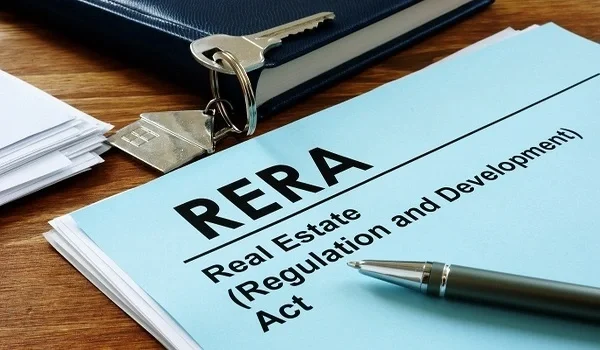
Banks approve a pre-launch project only after checking 30 years of land deeds and confirming a valid RERA registration number. They never release loan money to any project that lacks government clearance.
- Land Title Check: Bank lawyers check old sale papers for 30 years to make sure the builder truly owns the land without disputes.
- Local City Approvals: The builder must hold approved building blueprints, fire safety NOCs, green permits, and airport height clearances.
- Valid RERA Number: State housing laws say a builder cannot sell or build without a RERA number, and banks will not fund flats without one.
- Bank Project Tie-Ups: Many builders get an APF code from top banks like SBI or HDFC, which cuts down paperwork and speeds up loan approvals.
3. Step-by-Step Loan Process to Buy Pre-Launch Flats
The pre-launch loan process starts with your loan sanction letter and ends with small money releases sent directly to the builder as each floor is built. This setup makes sure bank money goes out only when work actually happens on site.
- Submit Your Application: You give your ID cards, salary slips, and 6-month bank statements to the bank to check your buying budget.
- Pay the Booking Amount: You pay the first 10% to 20% flat cost from your own pocket and get an official booking receipt from the builder.
- Site and Value Check: The bank team visits the plot to check work progress, soil condition, and real local flat prices.
- Sign the Three-Way Deal: You, the builder, and the bank sign an agreement stating the sale deed goes straight to the bank once the building is done.
- Stage-Wise Loan Releases: The bank sends loan amounts in parts to the builder’s bank account each time a new roof slab is finished.
4. Practical Loan Example: Brigade Innovation Gardens
Getting a loan for an early-stage township needs proper RERA clearance before bank funds can flow, as seen at Brigade Innovation Gardens in Devanahalli, North Bengaluru. This large project covers 75.04 acres with 7,195 planned homes, offering small studio units up to large 4 BHK flats between 610 and 2,550 square feet near the KIADB Aerospace Park.
- Wait for RERA First: Buyers can view flat maps and share initial interest for flats starting around ₹62 Lakh, but banks write formal loan letters only after the official RERA number is active.
- Fast-Track Bank Codes: Big lenders like SBI and ICICI work with well-known groups like Brigade to create quick APF codes, making individual buyer loan files move much faster.
- Location Value and Risk: The project sits right by NH-44 and close to the international airport, which is why early buyers book before prices jump at final handover.
- Protection by Slab Payments: With work slated to finish around 2030, banks inspect the site before each floor slab release, so you only pay loan interest on work that is actually built.
5. Construction-Linked Pay vs Full EMI Plans
A construction-linked plan charges interest only on the money sent out to the builder so far, while a full EMI plan makes you pay full monthly bills from day one. Choosing the first option keeps your monthly expenses low while you wait for the keys.
| Loan Feature | Construction-Linked (Pre-EMI) | Full EMI Plan |
|---|---|---|
| Monthly Bill | Simple interest on disbursed money only | Full principal plus full interest from month one |
| Early Monthly Cost | Low and easy on your pocket | High from the very first month |
| Loan Cut Down | Total loan size does not drop yet | Main loan balance drops every single month |
| Project Delay Safety | Less financial risk if construction slows down | High risk because you pay full bills even during delays |
6. Documents You Need for a Pre-Launch Home Loan
Getting your loan passed quickly takes personal KYC files, proof of your monthly income, and signed papers from the builder. Keeping these files ready stops unwanted delays.
- Personal ID: PAN card, Aadhaar card, voter card, or valid passport.
- Income Files for Salaried: Last 3 months' pay slips, 6 months' bank passbook records, and your latest Form 16.
- Income Files for Self-Employed: Last 3 years of income tax returns, profit and loss sheets, and 12 months' business bank statements.
- Builder Property Papers: Copy of your allotment letter, sale agreement, payment receipts for your own down payment, and the builder's RERA sheet.
FAQs
No, banks will not give you a final loan or send money to the builder without an active RERA number. The law bans marketing and funding unapproved buildings.
An APF code is a bank code showing that the lender has already checked and cleared the land and building permits. It saves you time and cuts down on personal paperwork.
Pre-EMI is just the interest on the money paid to the builder during construction. A normal EMI pays back both the original loan balance and the interest together.
You still have to pay the monthly interest on the money already sent out. However, the bank stops all future payments until the builder finishes the agreed floor slabs.
You usually need to pay 10% to 20% of the flat price from your own savings. The bank provides the rest based on your monthly income and credit score.